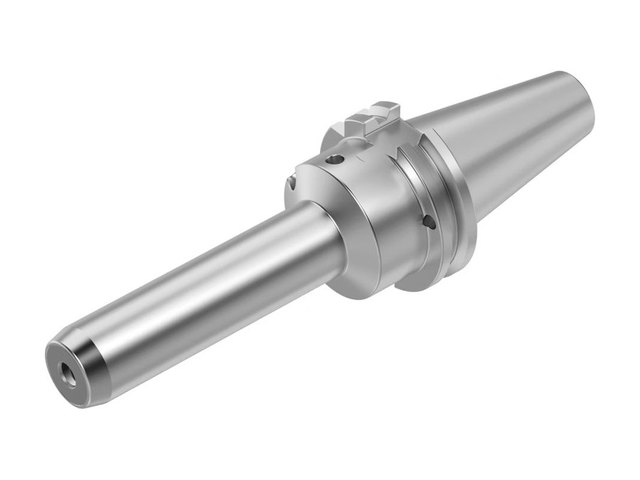
Threading Tools
Gühring and WIDIA taps, thread mills and thread turning inserts for internal and external threads.
Home / Threading Tools
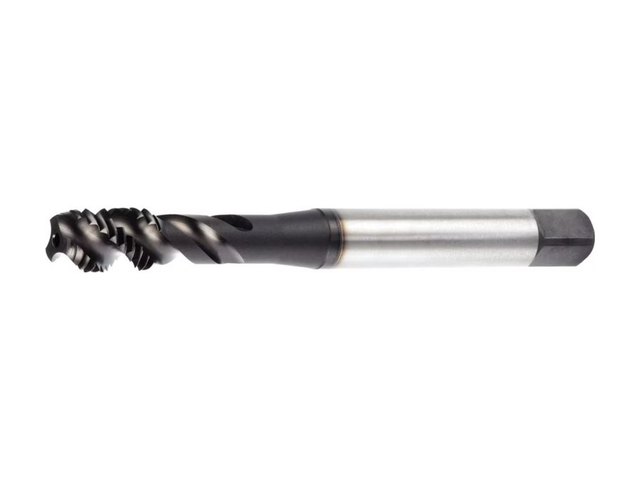
Threads usually come at the very end of the routing, when a part already carries hours of machining. That is exactly why a broken tap hurts so much.
Gühring is known for long-standing expertise in taps and threading tools. Mentor Mühendislik supplies Gühring taps, thread mills and WIDIA thread turning inserts in Adana. We choose the safest threading method for your hole type, material and machine together with you.
- Gühring taps and thread mills
- Separate geometries for blind and through holes
- Chip-free threads with forming taps
- WIDIA thread turning inserts
Types of Threading Tools
Spiral Flute Taps
Helical flutes carry chips up to the hole entrance; the go-to for holes with a closed bottom.
Spiral Point Taps
Drive chips ahead of the tap and out of the exit; open holes allow high speeds.
Forming Taps
Cold-form the thread instead of cutting it; no chips and a work-hardened, stronger thread in ductile steels and aluminium.
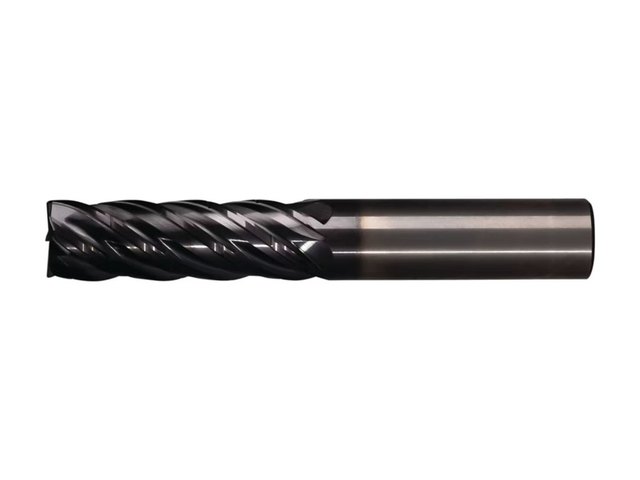
Thread Mills
Several diameters with one tool, low breakage risk, safe in difficult materials.
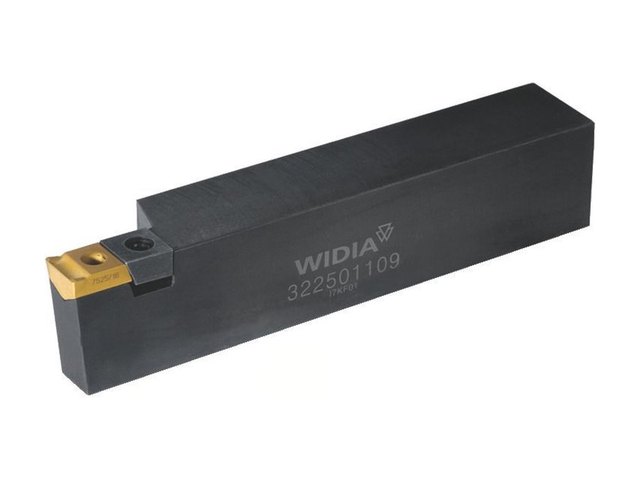
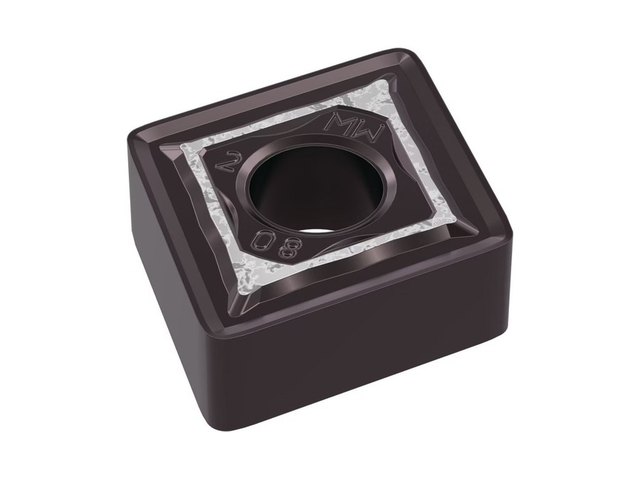
Thread Turning Inserts
Lathe threading on shafts and in bores.
Tapping Chucks
Rigid or floating clamping to match your machine’s tapping cycle.
Applications
- Hydraulic block and fitting threads
- Automotive supplier fastener holes
- Agricultural machinery bolt holes
- Stainless food machinery parts
- Mold mounting holes
- Pipe and valve threads
Workpiece Materials
We offer suitable geometries and grades for every ISO material group.
- PSteel
- MStainless steel
- KCast iron
- NAluminium & non-ferrous
- SSuperalloys & titanium
- HHardened steel
How to Choose the Right Tool
Check the hole bottom
Closed or open at the far end? That decides how the tap must clear chips.
Define the thread standard
Metric, fine metric, inch or pipe thread and tolerance class.
Verify the pre-drill size
Cutting and forming taps need different pre-drill diameters; the wrong size is a top cause of breakage.
Set holding and parameters
Synchronous tapping, the right holder and speed for safe threading.
Frequently Asked Questions
Why do taps break?
Most broken taps can be traced back: the drill size, chips trapped in a closed hole, a program that goes too deep, tapping dry, or a hole and tap that are not on one axis. Our blog has a seven-point checklist.
When should I use a forming tap?
In ductile materials such as aluminium and low/medium carbon steel, forming taps produce no chips, give stronger threads and have a low breakage risk. Brittle materials like cast iron need cutting taps.
Isn’t thread milling slower than tapping?
It can take longer per thread, but low breakage risk, several sizes from one tool and adjustable thread tolerance make it the choice for expensive parts and difficult materials.
Which tapping chuck should I use?
If your machine supports synchronous tapping, rigid or micro-compensating holders are suitable. If not, you need an axially compensating tapping chuck.
Related Articles
Tapping problems and solutions: 7 ways to prevent tap breakage
From tap drill size to tapping chucks: the rules of safe tapping.
Carbide drilling guide: drill choice, cutting data and coolant
How drill type, cutting data and coolant shape hole quality.
Stainless steel machining guide: work hardening, heat and tooling
Dealing with work hardening, heat and sticking in stainless steel.