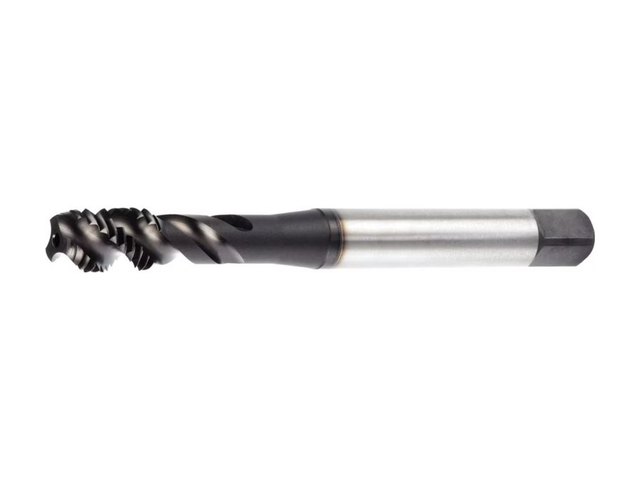
Turning Tools
WIDIA toolholders, boring bars and insert systems for external and internal turning, grooving and parting.
Home / Turning Tools
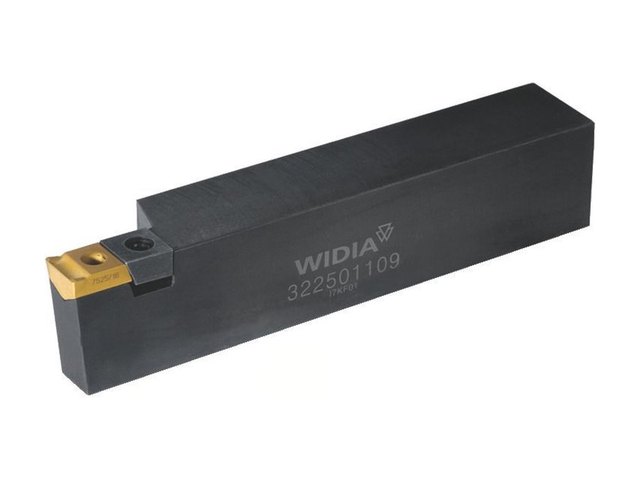
Rotational parts such as shafts, bushings, flanges and hubs are among the most machined parts in the Çukurova region. Productivity on these parts depends on choosing the toolholder, insert and cutting data together.
With WIDIA’s turning programme, Mentor Mühendislik supplies toolholders, boring bars and insert systems for external and internal turning, grooving, parting and thread turning. Starting from the ISO codes of your current tools, we can identify more productive alternatives together.
- WIDIA external and internal turning toolholders
- Grooving, parting and thread turning systems
- Rigid and vibration-damped bars for long overhangs
- Equivalents for your current tools by ISO code
Types of Turning Tools
External Turning Toolholders
For longitudinal, facing and profile turning in many insert shapes and approach angles.
Boring Bars
Steel and carbide bars for internal turning.
Grooving Systems
External, internal and face grooves, including circlip and o-ring grooves.
Parting Blades
Rigid, narrow systems to part off from the bar.
Thread Turning Tools
Metric, inch and pipe threads on outside and inside diameters.
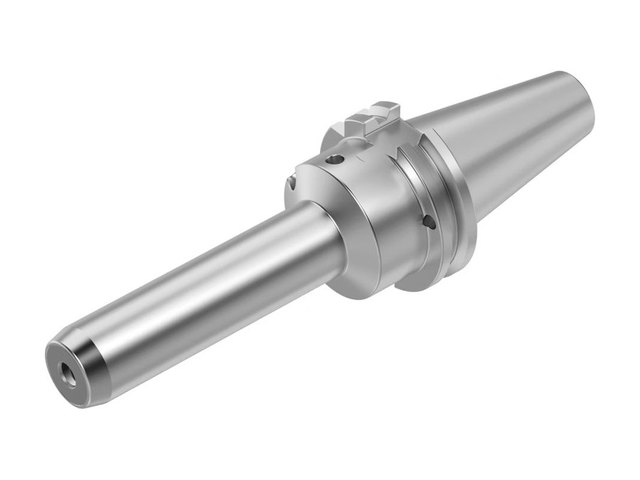
Quick-Change Systems
Repeatable clamping that cuts tool change time.
Applications
- Agricultural machinery shafts and hubs
- Automotive axle and bushing parts
- Hydraulic cylinders, pistons and fittings
- Pump and valve parts
- Series production on bar lathes
- Flanges and fasteners
Workpiece Materials
We offer suitable geometries and grades for every ISO material group.
- PSteel
- MStainless steel
- KCast iron
- NAluminium & non-ferrous
- SSuperalloys & titanium
- HHardened steel
How to Choose the Right Tool
Share your current tool
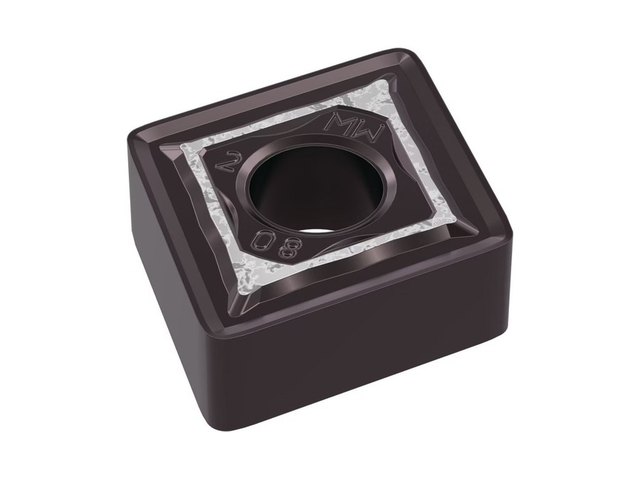
The ISO code of your toolholder and insert is the best starting point for comparison.
Define material and operation
Material group, depth of cut and interrupted cuts determine the insert grade.
Get chip control right
The right chipbreaker prevents chip wrapping and stoppages.
Measure life and time
After the trial we compare tool life and cycle time with your previous tool.
Frequently Asked Questions
Will WIDIA inserts fit my current toolholder?
ISO insert shapes and sizes are brand-independent. If shape, size and clamping type match, WIDIA inserts can be used in your existing toolholders.
My chips are wrapping. How do I fix it?
Each chipbreaker has a working window of depth of cut and feed; below it, chips won’t break. Try a slightly higher feed first, and if that doesn’t help, switch to a chipbreaker with a lower window.
I get vibration when boring. What should I do?
Use a larger bar and shorter overhang, with a positive insert and small nose radius. For long overhangs choose a carbide bar.
Why do my parting blades break?
A blade tip set above or below centre, a blade clamped longer than needed and not slowing the feed just before the part drops off cause most breakages.
Related Articles
Stainless steel machining guide: work hardening, heat and tooling
Dealing with work hardening, heat and sticking in stainless steel.
Machining for agricultural machinery and automotive suppliers: tooling strategies
From cast iron to series production: tooling strategies for regional industry.
Cost per part in machining: total cost, not tool price
Is an expensive tool always expensive? Let’s look at the numbers.